
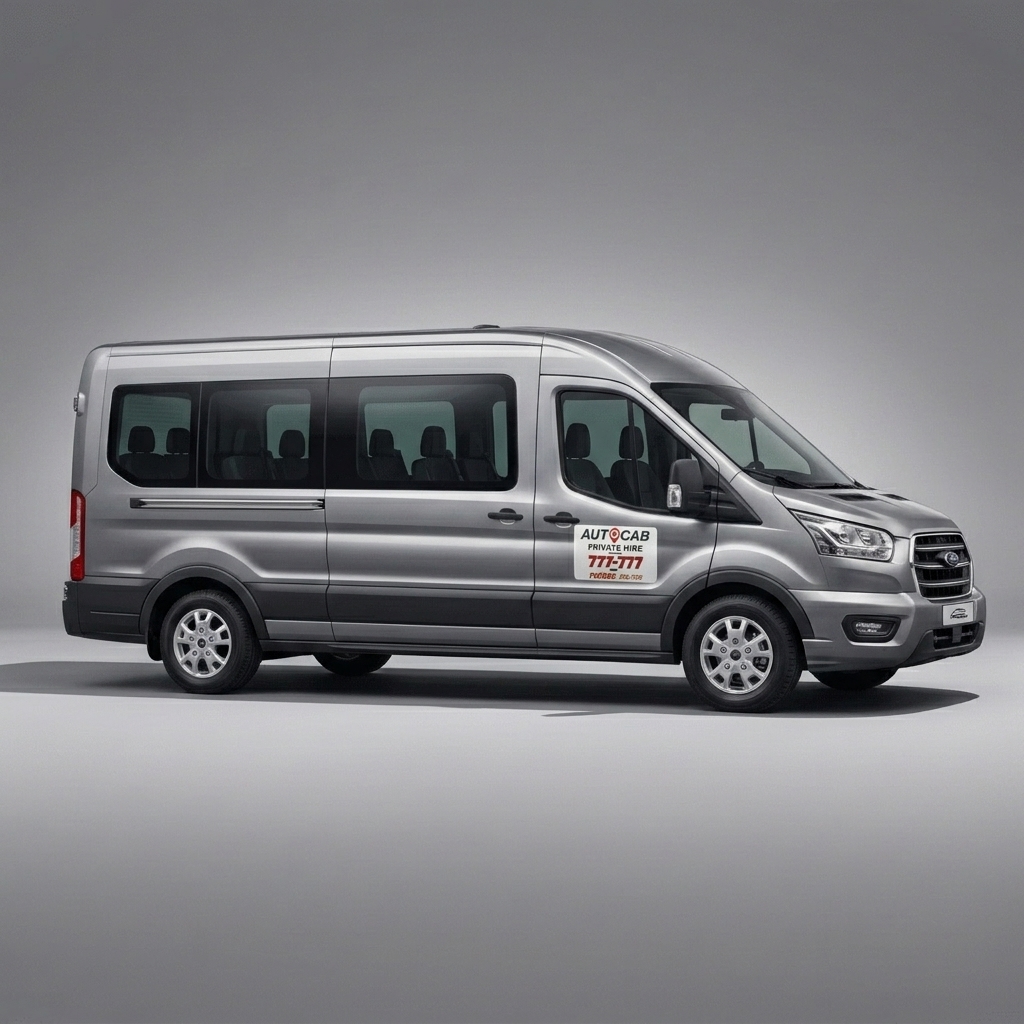
The minibus is such a familiar part of modern life that we rarely give it a second thought. Whether it's a school field trip, a corporate airport transfer, or a group night out in Hanley, these mid-sized vehicles play a big role in our transport network. But how did the minibus come to be? Its history is a story of custom modifications, changing transit laws, and local ingenuity.
The Origin: Modifying the Delivery Van
In the early 20th century, passenger transport was split between large omnibuses and standard passenger cars. There was a clear gap for a vehicle that could carry more than 5 or 6 passengers without needing a full bus service. The solution first appeared in the post-war era, when light commercial delivery vans became more common. Owners started fitting windows and rows of seats into the cargo space. These "microbuses" or "utility vans" quickly became popular for community transport, hotels, and large families.
Regulatory Milestones: Defining the Private Hire Vehicle
As these modified vehicles became more common, governments recognised the need to regulate them. UK transport acts set out licensing rules, driver requirements, and safety standards for 8 to 16-seat vehicles. Manufacturers like Ford, Transit, and Mercedes-Benz then built dedicated, factory-designed minibuses with seat belts, emergency exits, and wheelchair access. Today, driving a minibus for private hire needs specialist licensing, such as a D1 entitlement, plus regular vehicle inspections to keep passengers safe.
Modern Group Travel: The Autocab Fleet
At Autocab Private Hire, we run one of Staffordshire's largest and most modern minibus fleets. Our 8 to 16-seat vehicles come with comfortable seating, climate control, and generous luggage space, making them a popular choice for Staffordshire residents heading to Manchester Airport or arranging group outings to Alton Towers. The humble minibus has come a long way from its origins as a modified delivery van, but its purpose hasn't changed: keeping groups connected and moving together safely.